











Peer Review Process

Peer Review Process

Journal of Science and Technology

Publisher: Longman Publishers

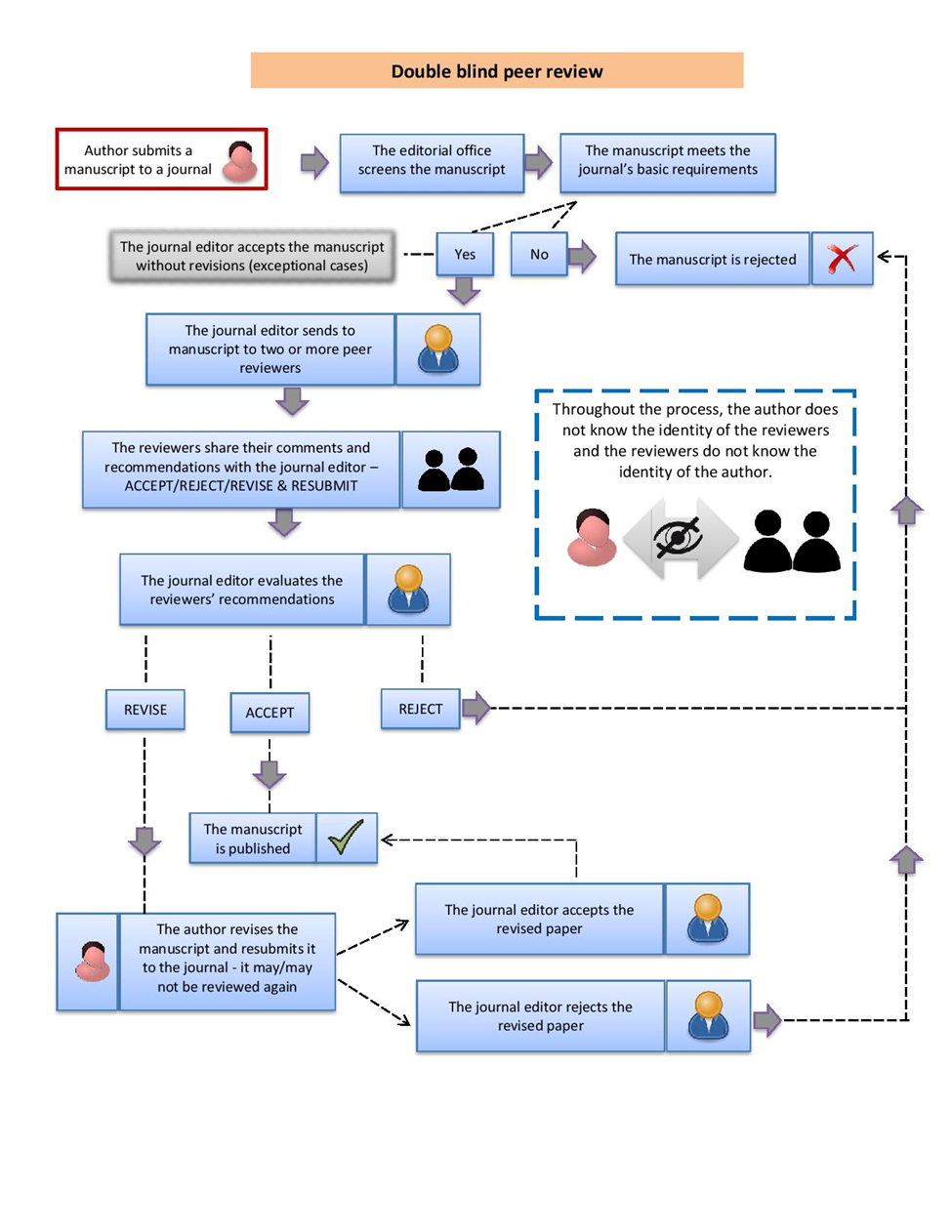
The Journal of Science and Technology follows a rigorous double-blind peer review process to ensure the publication of high-quality, original, and scientifically sound research. This process is designed to maintain fairness, objectivity, and academic integrity. In the double-blind system, the identities of both the authors and reviewers are concealed from each other throughout the review process.

Step 1: Manuscript Submission

Authors submit their manuscripts through the journal’s online submission system. The manuscript must comply with the journal’s author guidelines, formatting requirements, and ethical standards. All submissions must represent original work that has not been published or submitted elsewhere.

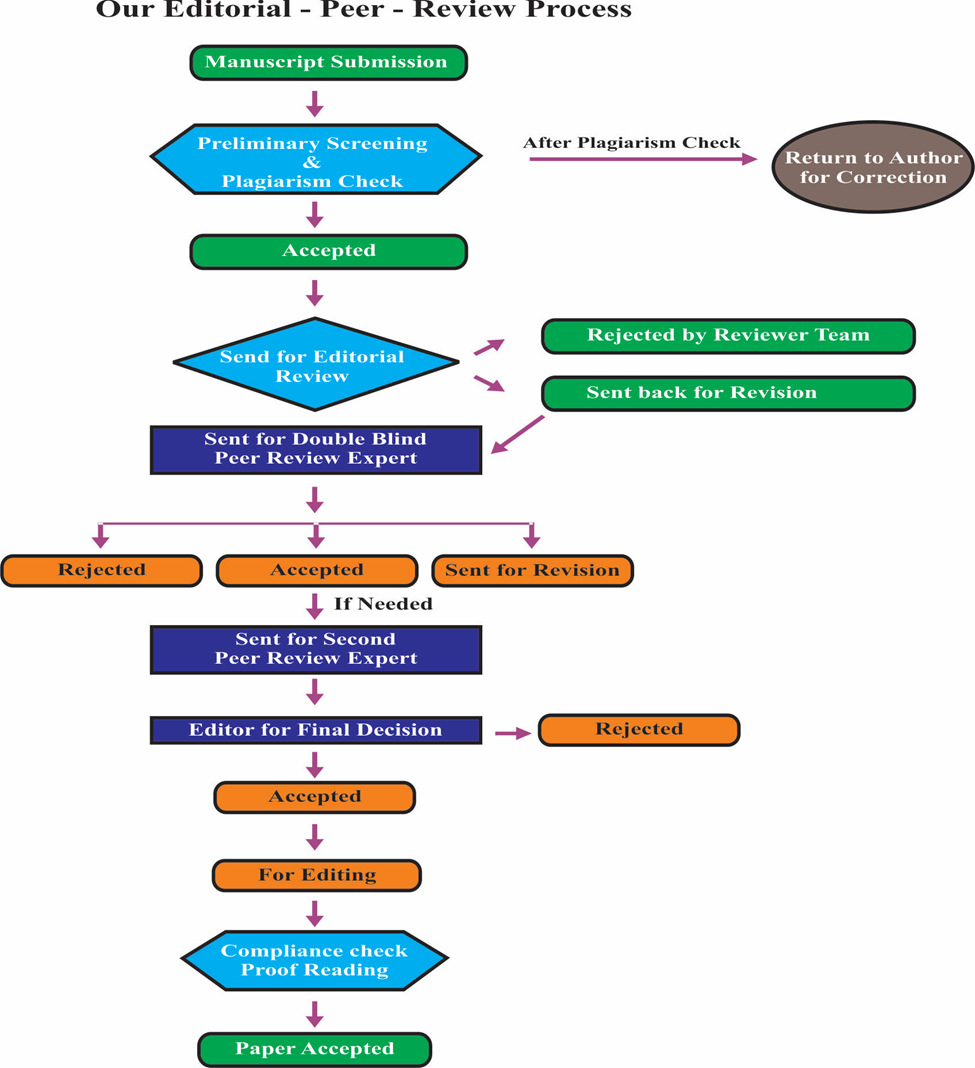
Step 2: Initial Editorial Screening

The Editor-in-Chief or a designated Handling Editor conducts a preliminary assessment to evaluate:

  • Relevance to the journal’s aims and scope
  • Originality and scientific contribution
  • Compliance with ethical and editorial standards
  • Overall manuscript structure and quality

Manuscripts that do not meet these basic criteria may be rejected at this stage. This ensures that only suitable and quality manuscripts proceed to peer review.

Step 3: Assignment to Expert Reviewers

Manuscripts that pass the initial screening are assigned to at least two independent reviewers who are experts in the relevant field. Reviewers are selected based on their academic expertise, research experience, and publication record.

The review is conducted under a double-blind system, ensuring impartial and unbiased evaluation.

Step 4: Peer Review Evaluation

Reviewers evaluate the manuscript based on:

  • Scientific originality and novelty
  • Methodological validity and accuracy
  • Significance and relevance of findings
  • Clarity, organization, and presentation
  • Ethical compliance

Reviewers provide detailed comments and recommend one of the following decisions:

  • Accept without revision
  • Accept with minor revisions
  • Major revisions required
  • Reject

Step 5: Editorial Decision

The Editor reviews the reviewers’ comments and makes a final decision. If revisions are required, the manuscript is returned to the authors with reviewer feedback.

Authors must revise the manuscript and provide a point-by-point response explaining how comments were addressed.

Step 6: Final Evaluation and Acceptance

The revised manuscript may be re-evaluated by reviewers or the editor. Once the manuscript meets all scientific and editorial standards, it is formally accepted for publication.

Step 7: Copyediting and Publication

Accepted manuscripts undergo:

  • Language editing
  • Formatting and proofreading
  • Author approval of final proofs

The final article is then published online and made available to the global research community.


Key Features of the Journal’s Peer Review Process

  • Double-blind review system
  • Minimum two independent reviewers
  • Editorial oversight at all stages
  • Ethical and plagiarism screening
  • Transparent and fair decision-making
  • Focus on scientific quality and originality


Ethical Commitment

The journal ensures that all editorial decisions are based solely on academic merit. The peer review process is conducted confidentially, and reviewers are required to declare any conflicts of interest.